
Five Hidden Helpers: Tiny Creatures That Keep Your Garden Thriving
Every garden has workers you never hired.
They don’t demand wages, breaks, or air conditioning — yet they’re the reason your garden stays balanced, healthy, and full of life. Beneath leaves, inside soil, and under flower petals, there’s a bustling workforce keeping pests in check, recycling nutrients, and helping plants grow stronger.
At CuriousBackyards, we love celebrating these unsung heroes. Here are five tiny creatures you might not notice but should definitely thank next time you’re out watering.
1. Ground Beetles (Carabidae family)

These sleek, black beetles are like the night-shift security guards of your garden. They patrol the soil surface after dark, hunting down slugs, cutworms, and caterpillars that love your lettuce a little too much.
Why they matter:
A single ground beetle can eat its weight in pests every night — they’re a natural pesticide you don’t have to buy.
Invite them in:
Leave a few patches of mulch or leaf litter around garden edges. Ground beetles prefer places to hide during the day. Avoid broad-spectrum insecticides — they’ll wipe out your allies, too.
2. Green Lacewings (Chrysoperla rufilabris)
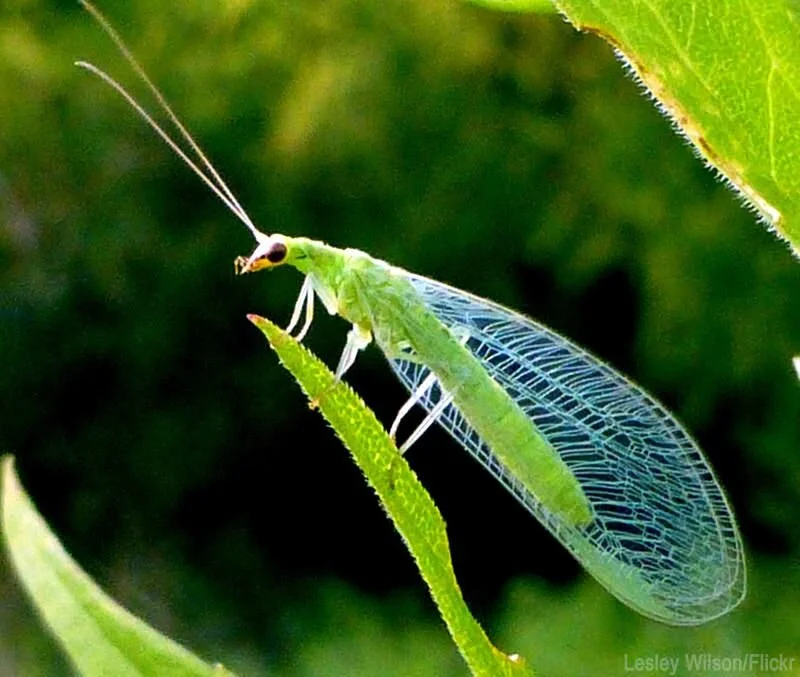
The adults look delicate and fairy-like, but their larvae? Absolute aphid assassins. Known as “aphid lions,” lacewing larvae can consume hundreds of soft-bodied pests before metamorphosing into gentle green adults.
Why they matter:
They target aphids, mealybugs, and whiteflies — three of the most common garden annoyances.
Invite them in:
Plant nectar-rich flowers like dill, alyssum, and cosmos. Adult lacewings need pollen and nectar to fuel their next generation of pest hunters.
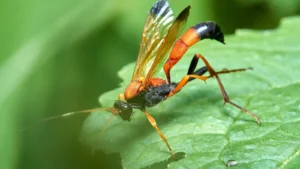
3. Parasitic Wasps (Braconidae and Ichneumonidae families)
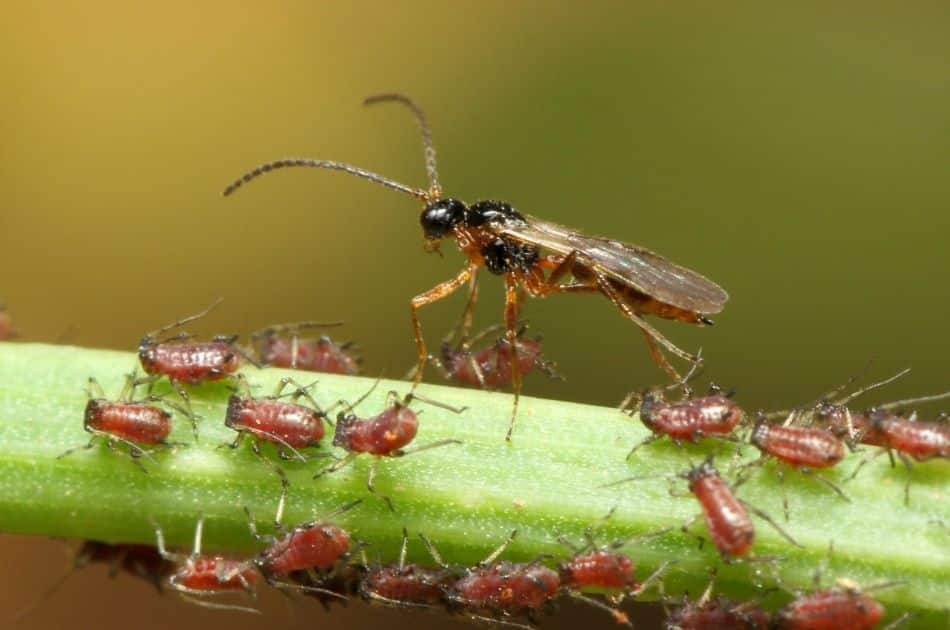
Don’t let the name scare you — these wasps don’t bother humans. Instead, they lay their eggs inside or on garden pests like tomato hornworms and cabbage loopers. The developing larvae take care of the rest.
Why they matter:
They’re nature’s surgeons, targeting pest populations before they explode.
Invite them in:
Grow herbs like cilantro, fennel, and yarrow. These tiny flowers are perfect for their tiny mouths.
4. Pill Bugs (Armadillidium vulgare)
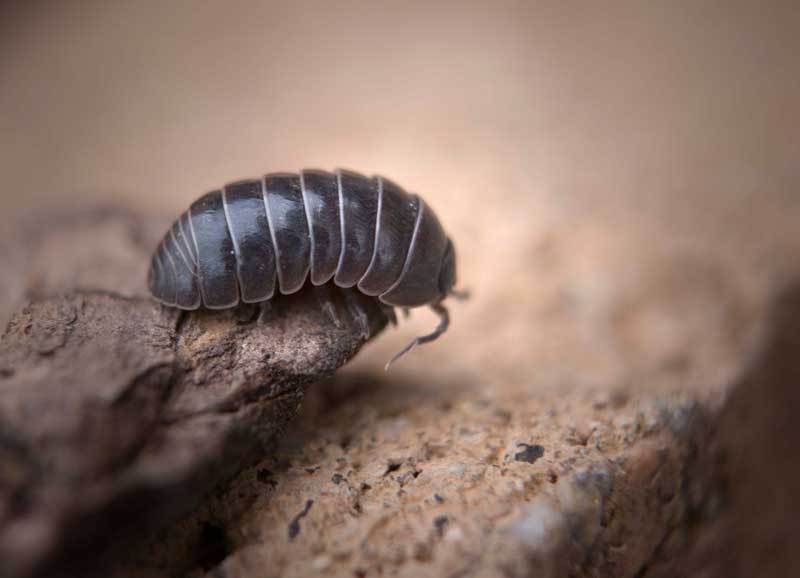
Also called roly-polies, these crustaceans look more like toys than workers. But they’re crucial decomposers, breaking down dead leaves and plant matter into rich, dark compost that feeds your soil.
Why they matter:
They help convert organic debris into nutrients plants can actually absorb — a key part of a living soil ecosystem.
Invite them in:
Maintain moisture under logs or rocks. Pill bugs thrive in damp, shaded spots with lots of organic matter.
5. Earthworms (Lumbricus terrestris)
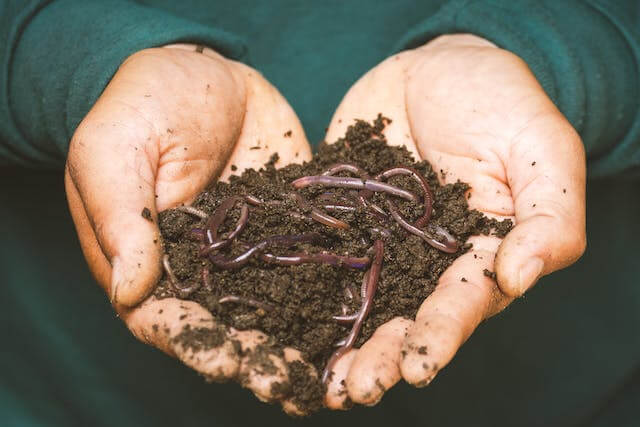
The classic garden MVP. Earthworms tunnel through soil, aerating it and improving drainage while enriching it with nutrient-packed castings.
Why they matter:
Healthy worm activity = loose soil, better root growth, and fewer compaction issues.
Invite them in:
Keep your soil covered with mulch and avoid chemical fertilizers. Compost or aged manure will make them feel right at home.
Why It All Matters
When you encourage biodiversity, your garden becomes a living network — not just a collection of plants. These creatures keep balance, reduce your need for chemical intervention, and create a more resilient ecosystem that can handle pests and drought naturally.
Next time you lift a rock or kneel down to weed, pause and look closer. There’s an entire world of quiet helpers beneath your fingertips.
Stay Curious Challenge
Head outside this week with a magnifying glass or your phone’s macro lens. Try to spot at least one of these hidden helpers in action. Snap a photo and share it on social media with #CuriousBackyards — let’s see what tiny allies live in your soil!